A home emergency checklist helps you get ready for a storm, a long outage or a boil-water week. This home emergency checklist covers 72 hours, or 3 days, which is the starting goal from FEMA Ready.gov and the Red Cross.
Why 3 days? After a big event, help may take a while to reach every street. Three days of supplies lets you stay calm and safe at home while you wait.
You do not need to buy it all at once. Most of it is already in your house. Let’s go room by room.
Your 72-Hour Home Emergency Checklist
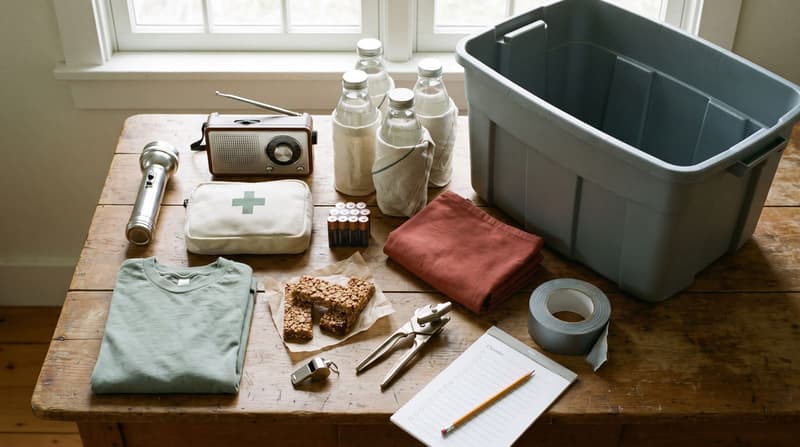
What goes in a basic kit? This list follows the Ready.gov basic disaster supplies kit. Check off what you have, then circle what you need.
Water and food
- Water: one gallon per person per day, for 3 days
- Food that does not spoil, for 3 days
- Manual can opener
- Paper plates, cups and utensils
Not sure how much water that is? Our guide on how much water to store for an emergency has a table by household size.
Light and power
- Flashlight for each person
- Extra batteries
- Battery or hand crank radio, ideally a NOAA Weather Radio
- Phone chargers and a backup battery pack
Why a radio? If cell service goes down, a radio still gets news and weather alerts.
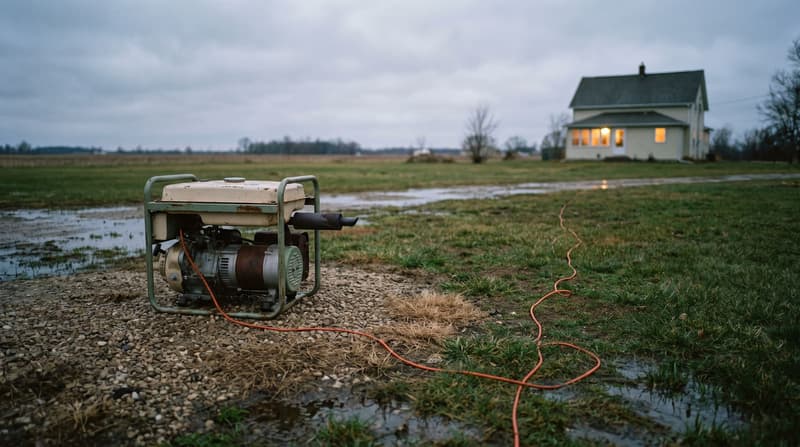
Thinking about a generator too? Read our portable generator safety rules before the first storm.
First aid and health
- First aid kit
- A week of prescription medicine, if you can (ask your doctor or pharmacist how)
- Glasses or contact lens supplies
- Baby formula, diapers and wipes if you need them
- Hand sanitizer and moist towelettes
Tools and safety
- Whistle to call for help
- Dust masks
- Plastic sheeting and duct tape
- Wrench or pliers to turn off utilities
- Fire extinguisher
- Matches in a waterproof container
Papers and cash
- Copies of IDs, insurance and bank papers in a waterproof bag
- Some cash in small bills
- Local maps
- A written list of phone numbers
Why cash? When the power is out, card readers and ATMs may not work.
Comfort and cleanup
- Garbage bags and plastic ties
- Change of clothes and sturdy shoes
- Blanket or sleeping bag for each person
- Soap, toothbrushes and other hygiene items
- Pet food, water and leash
How to Build Your Kit Without Spending Much
Is this going to cost a lot? It does not have to. Try this order:
- Gather what you own. Flashlights, blankets, tools and first aid items are often already in drawers.
- Fill water bottles. Tap water in clean bottles costs almost nothing.
- Add a few cans each week. Buy two or three extra cans when you shop.
- Buy the rest one item at a time. Start with a radio and batteries.
Food is where most people get stuck. Our guide to build a 2-week emergency pantry on a budget shows how to stock up for a few dollars a week.
What Food Works Best for 3 Days?
What should you pick? Choose food your family already likes. Ready.gov suggests food that needs no cooking and little water. Good picks include:
- Canned tuna, chicken or beans
- Peanut butter
- Crackers and granola bars
- Dried fruit and nuts
- Shelf-stable milk
- Cereal
Skip very salty food. It makes you thirsty, and water is precious.
Where to Keep Your Home Emergency Checklist and Kit
Where should it all go? Put it in one place that everyone knows. A plastic tote with a lid in a hall closet works well. Tape a copy of this home emergency checklist to the lid.
Does everyone know where it is? Show your kids. Tell a neighbor or family member you trust. A kit only helps if people can find it in the dark.
Plan for Your Family’s Needs
Every home is a little different. Ask yourself these questions:
- Does anyone need medicine every day?
- Does anyone use power for medical gear? If so, ask your doctor and your power company about a plan.
- Do you have a baby, an older adult or a pet?
- Does anyone need glasses, hearing aids or a cane?
Add those items to your list first. They matter most.
Make a Simple Family Plan
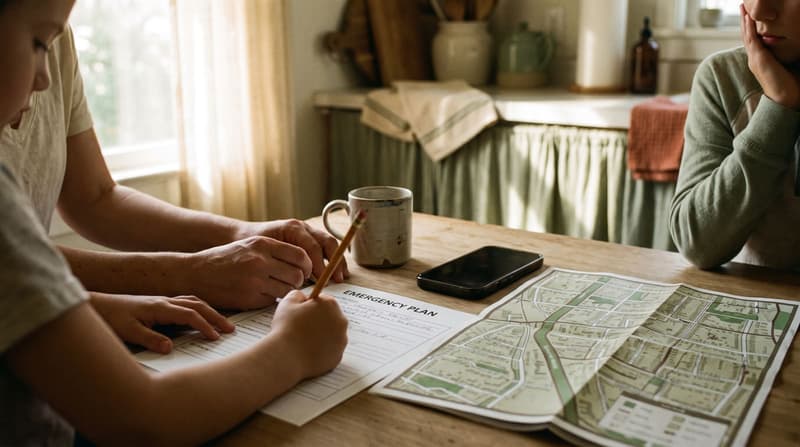
A kit is great. A plan makes it work. Ready.gov suggests that every family talk through a few things before an emergency:
- Where will you meet? Pick one spot near home and one outside your neighborhood.
- Who will you call? Choose one friend or family member who lives out of town. Everyone checks in with that person.
- How will you reach each other? Ready.gov notes that a text may go through when a call will not.
Write it down on a card and put one in each wallet or backpack. Then practice once, so it feels normal. Our step-by-step guide to a family emergency plan covers meeting spots, alerts and a short drill.
Keep Your Kit Ready
How often should you check it? Twice a year is a good habit. On those days:
- Swap water you bottled yourself
- Eat and replace food near its date
- Test flashlights and the radio
- Check medicine dates
- Update your phone list and papers
If water ever looks cloudy or you are unsure it is safe, you can clean it. Here is how to purify water with bleach using the CDC steps.
Your Next Step
Grab a box or tote today. Walk through your home with this list and put in every item you already own. Then write down the three things you are missing and buy one of them this week.