An emergency pantry is just extra food you keep at home in case you cannot get to the store. You can build a 2-week emergency pantry on a budget with the same food you already buy.
Why two weeks? FEMA Ready.gov and the Red Cross suggest a 2-week supply of food for sheltering at home. It covers long outages, bad storms and tight months, too.
You do not need special buckets or fancy meal kits. Let’s keep it simple and cheap.
Start Your Emergency Pantry With Food You Already Eat
What is the number one rule? Store what you eat, and eat what you store.
If your family does not like a food on a normal day, they will not like it in a hard week. So skip the strange stuff. Look at what you buy each week and pick the items that last on a shelf.
Ready.gov suggests foods that:
- Keep a long time without a fridge
- Need little or no cooking
- Need little water to make
- Are not too salty
A Budget Shopping List
What should you buy? Here is a simple list. Mix and match what your family likes.
| Type | Good picks | Why it helps |
|---|---|---|
| Protein | Canned tuna, chicken, beans, peanut butter | Keeps you full |
| Grains | Rice, oats, pasta, crackers | Cheap and filling |
| Fruit and veg | Canned fruit, canned veg, dried fruit | Vitamins and flavor |
| Dairy | Shelf-stable milk, powdered milk | Good for kids and cereal |
| Snacks | Granola bars, nuts, trail mix | No cooking at all |
| Extras | Salt, oil, spices, coffee or tea | Makes food feel normal |
Rice, beans and pasta need water and heat to cook. That is fine, but make sure you also have food that you can eat straight from the can or box. The power may be out.
The 4-Week Budget Plan
How do you build it without a big bill? Spread it out. Add a few items each time you shop.
- Week 1: Buy 3 extra cans of protein and one bag of rice or pasta.
- Week 2: Add peanut butter, crackers and 3 cans of fruit or veg.
- Week 3: Add shelf-stable milk, oats and a box of granola bars.
- Week 4: Add more of what your family ate first, plus a manual can opener.
Many families can do this for about 10 to 20 dollars extra a week. That is a rough estimate. Your cost depends on your store, your area and how many people you feed.
Keep going past week 4 until you reach two weeks of meals. Then just keep it full.
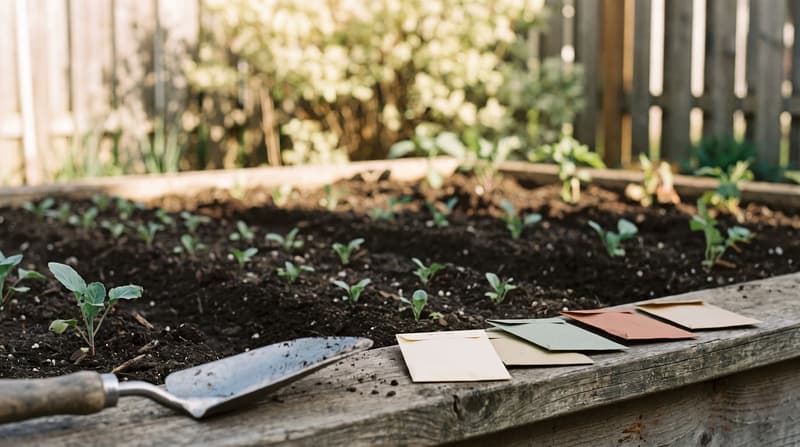
Want fresh food in the mix too? One small bed covers a few summer meals a week. Our guide on how to make a backyard garden starts you at 4 feet by 8 feet.
How Long Does Pantry Food Last?
Will your food go bad? Not if you store it right and use it in time. Here are rough shelf lives from FoodSafety.gov and the USDA:
| Food | Rough shelf life |
|---|---|
| High-acid canned food (tomatoes, fruit) | 12 to 18 months |
| Low-acid canned food (meat, veg, beans) | 2 to 5 years |
| White rice and dried pasta | 1 to 2 years or more |
| Peanut butter, unopened | 6 to 24 months |
Always check the date on the package too. When in doubt, go by the label.
When to throw a can away
Is a dented can safe? A small dent is often fine. FoodSafety.gov says to throw out cans that:
- Bulge or swell
- Leak or spurt when opened
- Have deep dents, mainly on the seams
- Are rusted
- Smell bad when opened
Never taste food from a can that looks wrong. When in doubt, throw it out.
Where to Keep Your Emergency Pantry
Where does it all go? Pick a cool, dry, dark spot. The USDA says heat and damp are hard on stored food. A closet, a shelf in the pantry or a bin under a bed can work.
Keep food off the floor and away from the stove, the water heater and sunny windows. Store it in sealed bins if you have mice or bugs.
Use first in, first out
What is “first in, first out”? It means you eat the oldest food first. Put new cans in the back and older cans in the front. That way nothing sits too long and goes to waste.
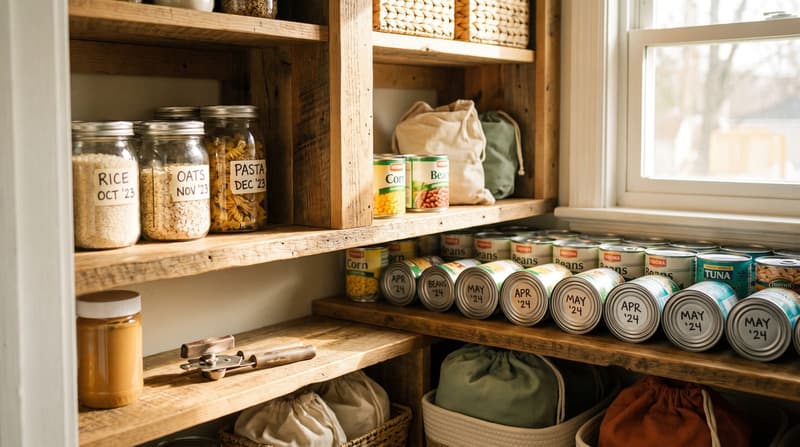
A marker helps here. Write the month and year on the top of each can in big numbers. Then you can see at a glance what to eat first. Twice a year, pull anything close to its date and make it part of dinner that week.
Plan Meals, Not Just Cans
Have you ever opened a full cupboard and still had nothing to make? That can happen with an emergency pantry too. So think in meals, not items.
Here is a sample no-cook day for one person:
- Breakfast: Cereal with shelf-stable milk and canned fruit
- Lunch: Tuna on crackers with a side of canned beans
- Dinner: Peanut butter wraps or crackers, dried fruit and nuts
- Snacks: Granola bars and trail mix
Write down 3 or 4 meals your family would really eat. Then count how many of each you can make from your shelf. That number tells you what to buy next.
Plan for special diets
Does anyone at home have a food allergy, diabetes or a special diet? Stock food that is safe for them first. Babies need formula or baby food. Pets need their own food too. Ready.gov lists all three as must-haves. If someone has a medical diet, ask a doctor what to keep on hand.
Do Not Forget Water and Tools
Food is only half the job. Many pantry foods need water, and you need a way to open cans.
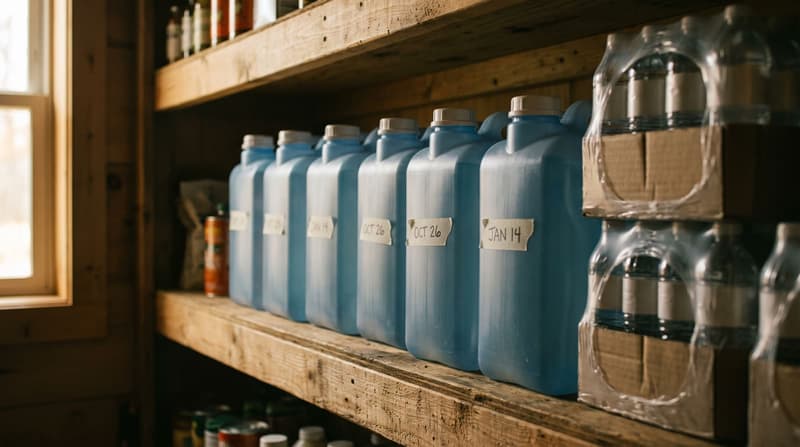
- Store at least one gallon of water per person per day. Our guide on how much water to store for an emergency shows the math.
- Keep a manual can opener with your food.
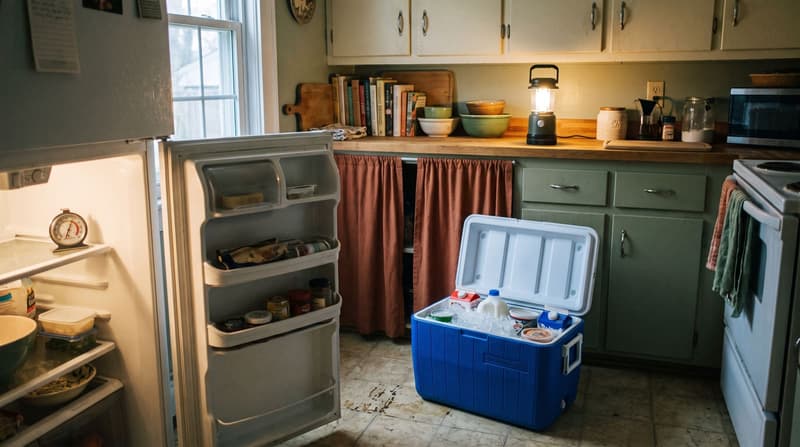
- Know which fridge food to toss after an outage. Our power outage food safety guide has the FoodSafety.gov rules.
- If you plan to cook in an outage, learn portable generator safety first. Never cook with a grill or camp stove indoors.
Your pantry also fits inside a bigger plan. Our 72-hour home emergency checklist covers light, first aid and papers too.
Your Next Step
Open your cupboard today and count how many meals you could make without the store. Write that number down. Then add the week 1 items to your next grocery list.