How to setup backup power for home is one of the most important things you can do for your family. A power outage can last hours or days. It can leave your food spoiled, your lights dark and your phone without charge. So what is the best source of backup power for a home? Let’s find out.
What Are the Options for Backup Power?
What is the best power backup option for home use? You have several choices. Let’s look at each one and see which fits your needs.
Generators
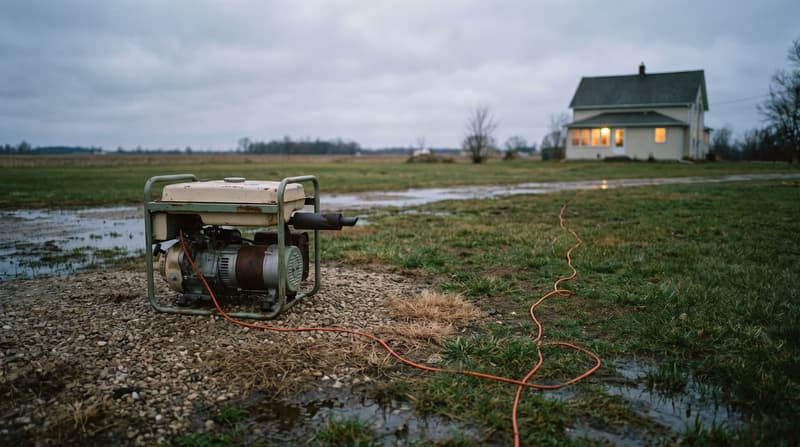
A generator is a machine that turns fuel into electricity. You can buy one that runs on gas or diesel. Or you can buy a portable one that runs on propane or natural gas.
Generators are good for long power outages. They can power your whole house or just a few rooms. But they are not silent. They make noise and need to be kept safe.
CDC says never run a generator indoors or in a garage. Keep it more than 20 feet from doors and windows. Use a battery carbon monoxide alarm to keep your family safe.
Batteries
Batteries are good for short power outages. They store energy and give it back when you need it. You can buy a battery system that works with your home’s electrical system.
Batteries are quiet and easy to use. But they can be expensive. They also need to be charged regularly. Some batteries are better than others, but they all need care.
Solar
Solar is a clean and renewable power source. You can install solar panels on your roof and connect them to a battery system. Solar works best in sunny areas, but it can still help in other places.
Solar is good for long-term use. It can power your home for years. But it is expensive to install. It also needs regular cleaning and maintenance.
Portable Power Stations
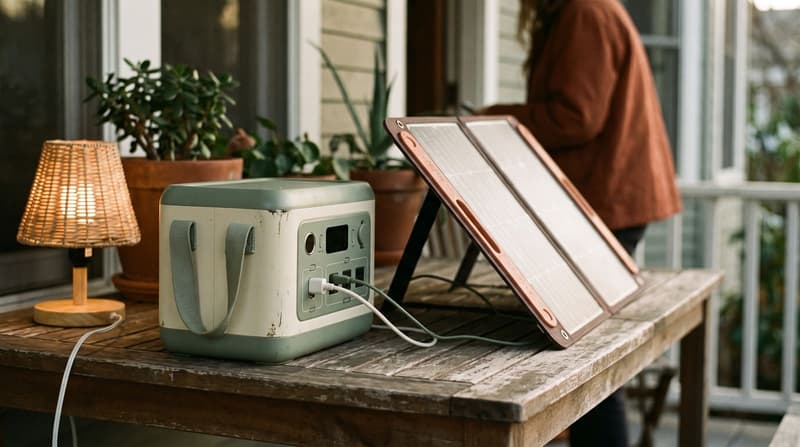
Portable power stations are small battery systems that you can move around. You can use them to power your phone, TV or laptop during a blackout.
They are good for short outages. They are easy to use and lightweight. But they do not power your whole house. They are better for small devices.
How to Setup Backup Power for Home
Now that you know the options, how can you setup backup power for home? Let’s go step by step.
Step 1: Choose the Right Option
What is the best electricity backup system for my home? That depends on your needs and budget. If you live in a place with frequent blackouts, a generator may be best. If you want something quiet and clean, batteries or solar may be better.
Step 2: Buy the Equipment
Where can you buy backup power supplies? You can find generators, batteries and solar panels at local stores or online. Make sure to read the labels and check the ratings.
FEMA Ready.gov says to buy from trusted sellers. They also have guides on how to choose the right generator or battery system.
Step 3: Install the System
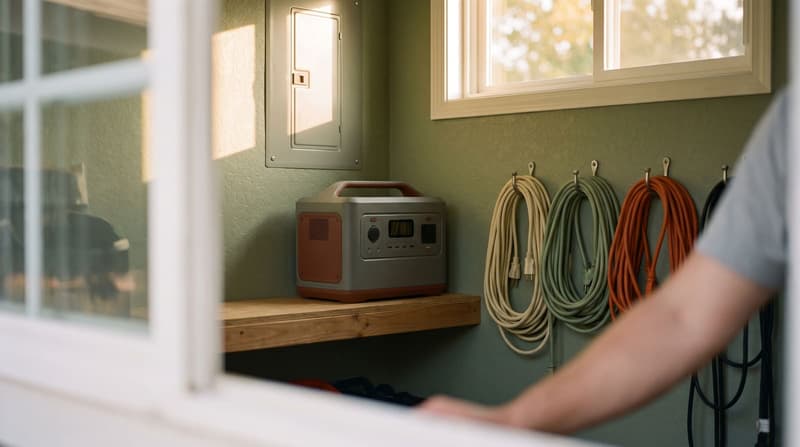
How to setup backup power for home depends on the system you choose. A generator needs to be installed outside your home. Batteries and solar systems may need to be connected to your home’s electrical system.
If you are not sure how to install the system, hire a licensed electrician. They can help you set it up safely.
Step 4: Test the System
After you install the system, test it to make sure it works. Turn on the generator, battery or solar system and check if your lights, TV and phone work.
If the system does not work, contact the seller or a licensed electrician. They can help you fix it.
What Are the Costs?
How much does it cost to setup backup power for home? That depends on the system you choose.
Generators can cost between $500 and $5,000. Batteries and solar systems can cost even more. Portable power stations are cheaper, but they do not power your whole home.
FEMA Ready.gov says to plan ahead. A backup power system is a long-term investment. It can cost a lot, but it can save you money in the long run.
What About Emergency Power?
What if you need power during an emergency? You may need a backup power supply for your TV and wifi. Or you may need one for your laptop.
FEMA Ready.gov says to include these items in your emergency kit. You can use a portable power station or a small battery system to power your devices.
You can also use a backup power supply for your WiFi router. This can keep your family connected during a blackout.
What About Backup Power for Your Home in South Africa?
How to setup backup power for home in South Africa is similar to other places. But there may be different options available.
Backup power supply for home South Africa may include solar, batteries and generators. Some homes may use diesel generators for long outages.
Battery backup for home in South Africa may be more common. Solar is also a good option, especially in sunny areas.
Keep reading: How Much Water to Store for an Emergency, How Long Does a Solar Generator Last?, Portable Generator Safety Rules for Your Home.
Your Next Step
Now that you know how to setup backup power for home, what should you do next? Start by choosing the right system for your needs.
If you are not sure, read more about backup power options. You can find guides on FEMA Ready.gov and other official sources.
Then, buy the equipment and install the system. Test it to make sure it works. Finally, keep it maintained and ready for emergencies.
By taking these steps, you can protect your family from power outages. You can have backup power for your home, and you can be prepared for anything.